
guide
Memorial gift ideas: thoughtful ways to honor someone who has died
Memorial gifts can honor someone who has died or offer care to someone grieving. A memory box, a familiar recipe, a framed photograph, a wanted plant, or a donation connected to the person may be appropriate when chosen gently and with the recipient in mind.
Updated
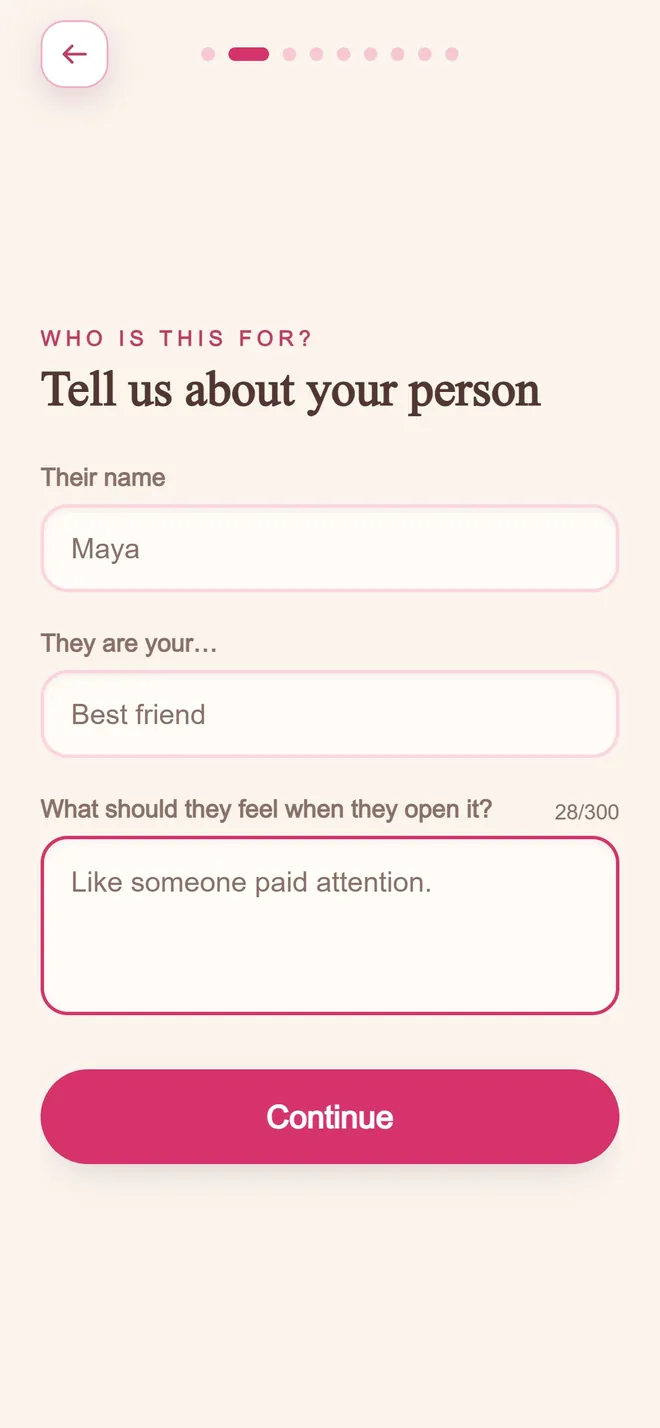

Tell us about your person
step 01 · who it is for
Gentle memorial gift ideas to consider
- 1
A simple memory box
Choose a modest container for letters, photographs, or small belongings the recipient wants to keep. Do not fill it by taking or rearranging personal items without their permission.
- 2
A carefully captioned memory book
Gather a small selection of photographs and accurate stories, asking contributors about sharing. Leave room for the recipient to add their own words or put the book aside.
- 3
A framed photograph they choose
Offer a choice of images and sizes rather than assuming a large portrait would be welcome. A smaller print can be easier to keep privately or display when ready.
- 4
A recipe book in their words
Collect recipes associated with the person who died, preserving handwritten notes where possible. Ask family members to check details, and do not claim one recipe represents everyone's memory of them.
- 5
A donation to a meaningful cause
Ask whether there is a preferred organization or existing family request. Make the gift without turning the amount or public announcement into the central part of your sympathy.
- 6
A plant for an agreed place
Check whether the recipient wants something living to care for and whether the space is suitable. A plant can be comforting for some people and an unwanted responsibility for others.
- 7
A tree planted with permission
Discuss the location, long term care, and any dedication before arranging it. Do not create a public memorial or permanent change in someone's garden as an unapproved surprise.
- 8
A letter with one remembered scene
Describe a particular time with the person who died and what you appreciated. Offer the memory without suggesting it should lessen grief or produce a certain response.
- 9
A pet paw print display
If a paw print or similar keepsake already exists, offer framing or storage after asking. Avoid requesting new materials or creating a project for someone during an immediate loss.
- 10
A portrait of a pet's familiar place
A drawing of a sleeping spot, favorite path, or everyday habit can honor a companion gently. Check whether a visible reminder would be welcome before commissioning a permanent piece.
- 11
A meal without hosting obligations
Offer a specific delivery or a meal the recipient wants, checking food preferences first. State clearly that you do not need to visit or receive a reply.
- 12
A later date remembrance card
Send a short note around a birthday, death anniversary, or first holiday if appropriate. Name the person gently and offer one realistic form of support without requiring conversation.
Gifts for someone grieving vs. gifts that honor the person
A sympathy gift may help with the day in front of someone: a meal, an agreed errand, or quiet company. A memorial gift usually holds or marks a memory of the person who died. They can overlap, but thinking about the purpose helps you choose something the recipient can comfortably receive.
Do not assume a keepsake is always wanted immediately. Some people want photographs close by; others need time before opening a collection. Offer rather than insist, and let them decide when to look. A simple practical gesture can be caring without making any statement about how they should remember or what grief should become.
Keepsakes that hold memories
A memory box, photo book, or recipe collection can preserve ordinary details that formal tributes miss. Include names, approximate dates, and the small context that makes a story understandable. Ask permission before collecting private messages, and keep originals safe rather than altering the only copy of a letter or photograph.
Memory based gift and Keepsake link gift discuss general ways to preserve stories, but remembrance has its own pace. Choose a format that can be put away and returned to. Avoid engraving a phrase unless you know it fits the recipient's beliefs and preferences. An enduring object deserves care about wording, not a generic saying selected because it sounds consoling.

It bloomed
step 03 · under a minute
Living memorials: trees, gardens, and donations
A plant or tree may feel meaningful when the recipient wants it and there is a suitable place. Discuss who will maintain it and what happens if the household moves. It should not become another obligation or a test of remembrance if the plant struggles or the garden changes.
For a donation, follow any request made by the family and check the organization directly. Ask before putting someone's name on a public dedication or sharing the gift online. You can acknowledge the cause and connection in a short note without mentioning an amount. The gesture does not need an audience to be a sincere way of honoring someone.
Pet memorial gifts
The death of a companion animal can leave a large absence in daily routines. A familiar photograph, a small keepsake box, or a drawing of a favorite sleeping place can acknowledge that relationship. Ask whether a visible reminder would be welcome, particularly soon after the loss.
Use the pet's name if the recipient does and avoid minimizing phrases about getting another animal. Do not surprise someone with a new pet or a commitment to caring for a living thing. A short memory of a characteristic habit may be more comforting than a formal tribute. There is no need to compare the loss with anyone else's experience.

Make someone feel deeply seen
step 00 · open the app
What to write with a memorial gift
Keep the card plain and specific. You can say that you are thinking of them, name a memory, and explain what the gift contains. Avoid predicting when grief will ease, assigning a reason to the death, or stating beliefs about an afterlife unless you know those words fit the recipient.
If you knew the person who died, share a scene the family may not have heard. If you did not, acknowledge the relationship without pretending to know its meaning. An offer of help should say what you can do and leave room for no answer. The recipient should not have to comfort you or provide reassurance about your choice of words.
Remembering the dates after the funeral
Support can become quieter after the first weeks. A birthday, death anniversary, or first holiday may bring new feelings, and an ordinary date can be difficult too. A brief note later can acknowledge that the person is still remembered without assuming the recipient wants to mark the day publicly.
Put a reminder in your own calendar if that helps you follow through. Offer a walk, meal, or practical task you can genuinely provide, and accept a changed plan. If a family wants to gather stories privately, ask which format and audience feel comfortable. There is no obligation to turn remembrance into a permanent project or complete a collection by a deadline.
Examples you can borrow
I remembered this afternoon with Sam and wanted you to have a copy. There is no need to reply.
Offers a memory without requesting emotional work.
I can leave dinner at the door on Wednesday if that would help. It is also fine to say another day or not now.
Provides a specific choice and an easy decline.
I am thinking of Leila today, and of you. I still remember how she made room for everyone at the table.
Acknowledges ongoing remembrance through an ordinary detail.
Mistakes worth avoiding
Making the gift about your grief
Share your memory without asking the recipient to reassure you or manage your reaction.
Avoiding their name automatically
Follow the recipient's language and use the person's or pet's name when it is welcome.
Only showing up in the first week
Keep later offers of care realistic and gentle, without expecting a reply or a particular mood.
Surprising someone with a public memorial
Ask before arranging dedications, permanent displays, or shared collections that involve their private memories.
Related ideas
Common questions
What is a thoughtful memorial gift?
A memory box, a chosen photograph, a recipe collection, or a donation connected to the person may be appropriate. Ask about preferences and timing so the gift does not impose a public tribute or new responsibility.
What is the difference between a sympathy and memorial gift?
A sympathy gift primarily offers care to someone grieving, while a memorial gift honors the person who died. A meal and a memory book serve different needs, and either may be welcome at different times.
Should I give a memorial gift immediately?
There is no required moment. Practical help may be useful early, while a keepsake may be more welcome later. Offer gently and let the recipient decide when they want to receive or open it.
What can I give after the loss of a pet?
A photograph, a small storage box for existing keepsakes, or a portrait may fit if wanted. Acknowledge the pet by name and avoid suggesting replacement or minimizing the place they held in daily life.
What should I avoid writing in a sympathy card?
Avoid explanations for the death, promises about how grief will change, and beliefs you do not know the recipient shares. A simple acknowledgment, a specific memory, or a practical offer can be enough.
Is a digital memory collection appropriate for remembrance?
It may be if the family wants one and controls the audience. Ask which format they prefer, obtain permission for contributions, and avoid services or presentation styles that make remembrance feel like a celebration they did not choose.