
Writing to mentors
Messages for your mentor: 12 examples across 2 occasions
The people who changed a career rarely find out that they did. Mentorship happens in small increments - a conversation, an introduction, a piece of feedback - and the effect only becomes visible years later, at which point nobody reports back.
So the most valuable thing to write to a mentor is the outcome. Not gratitude in general, but the specific line that connects what they said to what you are now doing.
That evidence is the one thing they cannot get anywhere else.
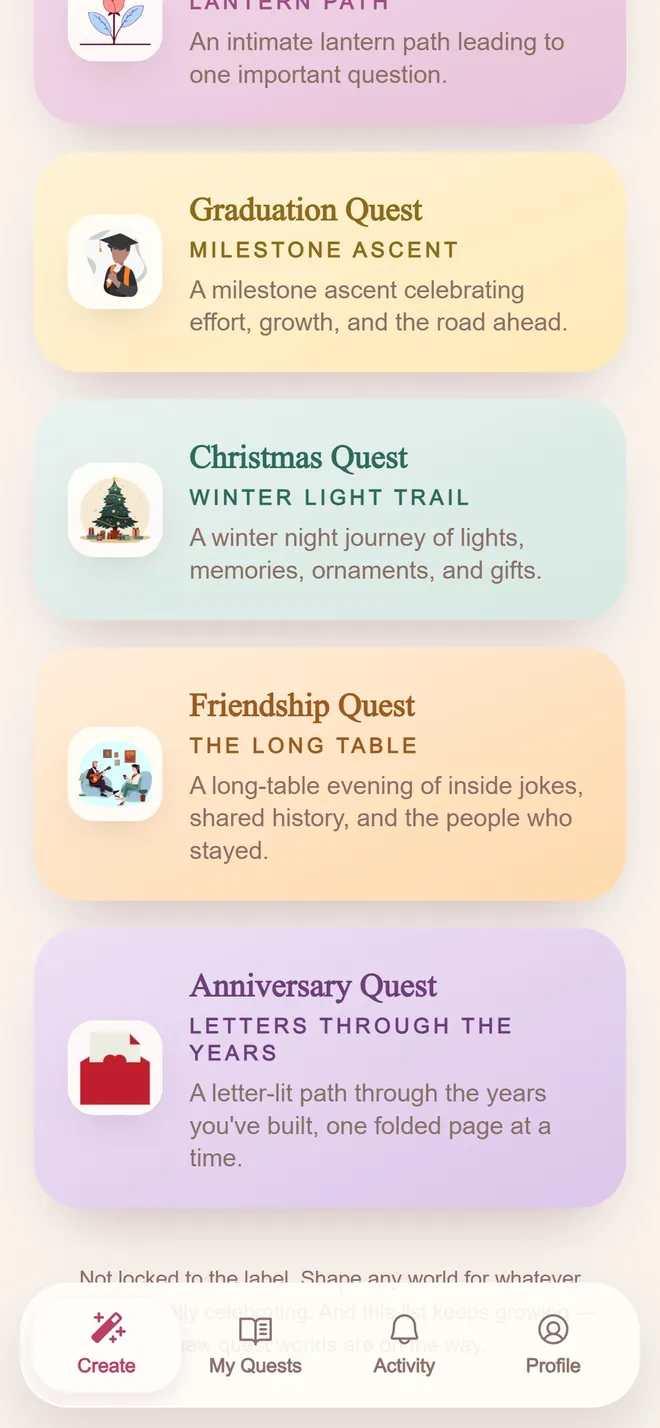

Pick the occasion
step 01 · nine templates
Every occasion, written for your mentor
The details worth reaching for
Whatever the occasion, these are the specifics that make a message to your mentor sound like it came from someone who was actually paying attention.
- The exact piece of advice and what it led to
- A door they opened that you walked through
- A habit of theirs you now use daily
- Something they said that reframed a problem
- A risk they took on you
- The way they gave difficult feedback
- How you now do the same thing for someone else
- Where you are now versus where you were when you met
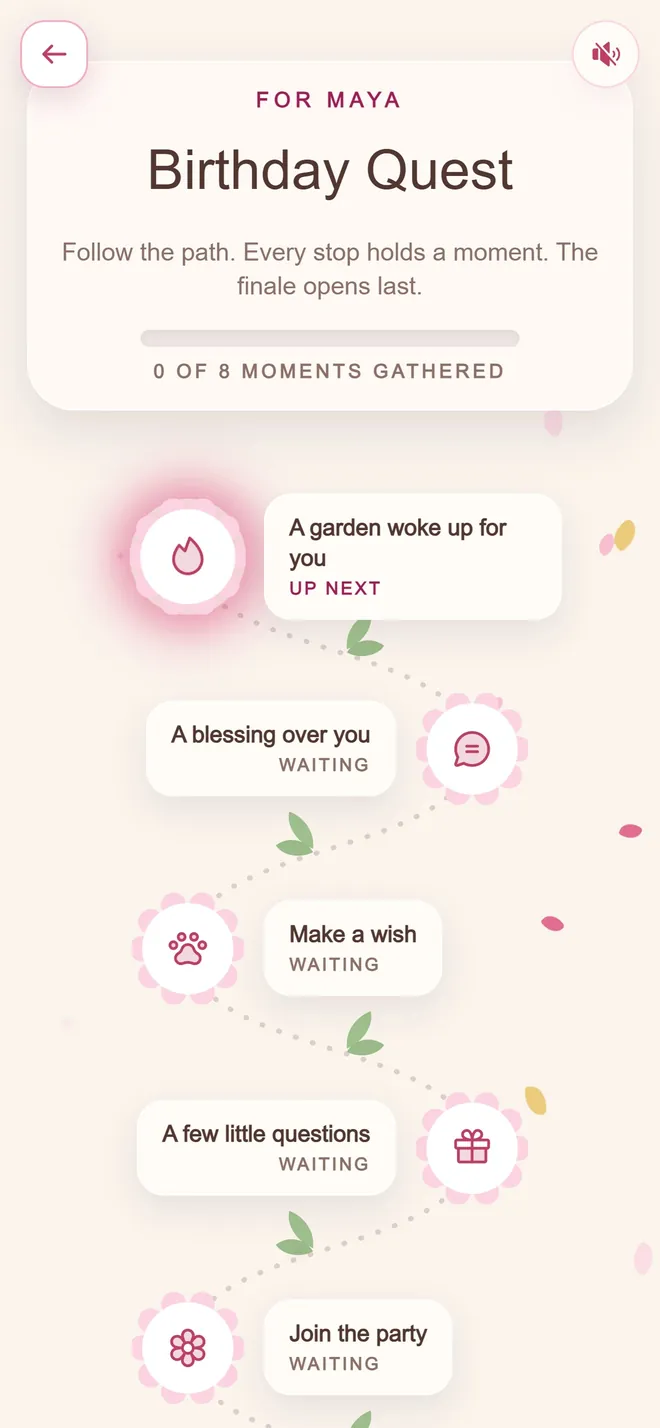
Every stop holds a moment
the path they walk
What goes wrong when people write to mentors
Gratitude without evidence
"Thank you for everything you taught me" gives them nothing to hold. The outcome is the gift.
Not closing the loop
If their advice worked, they usually never found out. Tell them.
Making it a request
A thank-you with an ask attached is not a thank-you.
Openings and sign-offs that fit this relationship
Ways to open
- “You told me something once and it changed how I…”
- “You probably do not know how that turned out…”
- “I am doing the job I am doing because you…”
- “I now say your line to other people…”
- “Closing a loop you never knew was open…”
Ways to close
- “Thank you. It worked”
- “You changed the direction of this”
- “With genuine gratitude”
- “Passing it on, as instructed”
- “I owe you one specifically”
Common questions
- What should you write to your mentor?
- The people who changed a career rarely find out that they did. Mentorship happens in small increments - a conversation, an introduction, a piece of feedback - and the effect only becomes visible years later, at which point nobody reports back.. The message that lands names one specific thing rather than summarising the relationship.
- What should you avoid writing to your mentor?
- Gratitude without evidence. "Thank you for everything you taught me" gives them nothing to hold. The outcome is the gift.
- How do you make a message to your mentor sound personal?
- Replace one general phrase with something only you would know - the exact piece of advice and what it led to, for instance. That single substitution is what separates a borrowed message from one that sounds like you.
Make it something your mentor opens
The same details, turned into a private interactive world. Free to build and preview.